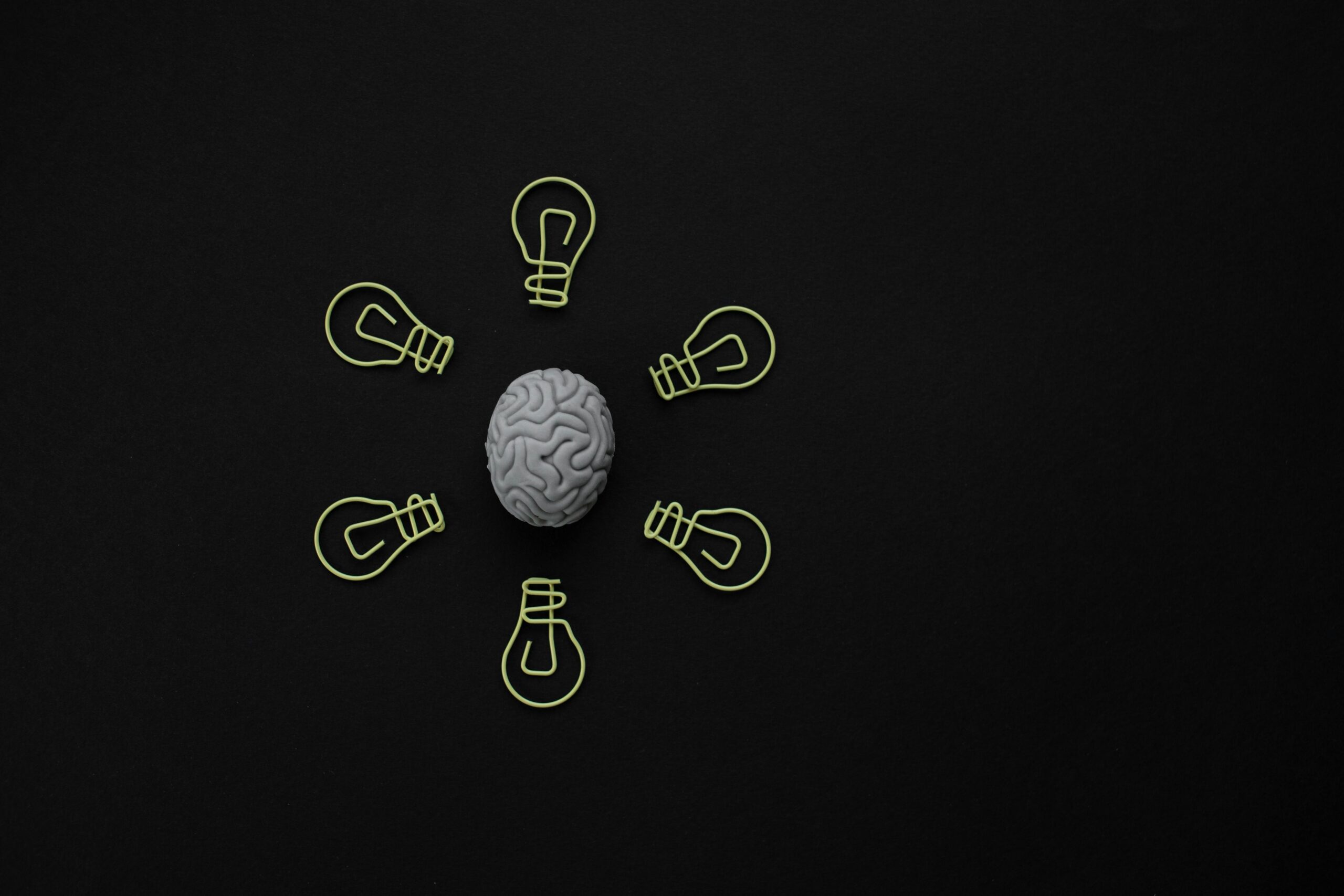
Have you ever felt like there’s a version of yourself waiting to emerge—more confident, purposeful, and aligned with your deepest values? The journey to unlock your true potential begins with understanding and practicing self-integration, a transformative process that harmonizes all aspects of who you are.

Self-integration isn’t just another self-help concept; it’s a profound pathway that bridges the gap between who you are now and who you’re meant to become. By consciously aligning your thoughts, emotions, behaviors, and values, you create a unified sense of self that naturally propels you toward your highest potential.
🌟 Understanding Self-Integration: The Foundation of Personal Transformation
Self-integration refers to the psychological process of bringing together different aspects of your personality, experiences, and beliefs into a cohesive whole. Rather than operating from a fragmented state—where your conscious desires conflict with subconscious patterns—integration creates internal harmony that radiates outward into every area of your life.
When you’re not integrated, you might experience internal conflict: wanting success while sabotaging your efforts, craving connection while pushing people away, or knowing what’s healthy while choosing what’s harmful. These contradictions drain your energy and keep you stuck in repetitive patterns that prevent growth.
The integrated self, by contrast, operates from a place of alignment. Your actions match your values, your goals reflect your authentic desires, and your daily choices compound into meaningful progress. This coherence isn’t about perfection—it’s about authenticity and wholeness.
The Science Behind Self-Integration and Human Potential
Neuroscience research has revealed fascinating insights about how integration affects brain function and behavior. When different brain regions communicate effectively—particularly connections between the prefrontal cortex (responsible for executive function) and the limbic system (governing emotions)—we experience greater emotional regulation, clearer decision-making, and improved stress resilience.
Studies in positive psychology demonstrate that individuals who achieve higher levels of self-integration report increased life satisfaction, stronger relationships, better physical health, and greater career success. This isn’t coincidental—integration creates the internal conditions necessary for sustainable growth and achievement.
Key Psychological Components of Integration
- Emotional awareness: Recognizing and accepting your full emotional spectrum without judgment
- Cognitive coherence: Aligning your beliefs with evidence and lived experience
- Behavioral consistency: Acting in ways that reflect your core values and commitments
- Shadow integration: Acknowledging and accepting disowned or rejected parts of yourself
- Temporal integration: Connecting your past experiences, present actions, and future aspirations into a meaningful narrative
💡 Seven Powerful Self-Integration Pathways to Transform Your Life
Pathway 1: Mindful Self-Observation
The first step toward integration is developing the capacity to observe yourself without harsh judgment. Mindfulness practices create space between stimulus and response, allowing you to witness your thoughts, emotions, and reactions with curiosity rather than criticism.
Begin with just five minutes daily of sitting quietly and noticing your internal experience. What thoughts arise? What emotions are present? Where do you feel tension in your body? This simple practice builds self-awareness—the foundation upon which all integration is built.
Research shows that consistent mindfulness meditation literally changes brain structure, strengthening areas associated with attention, emotional regulation, and self-awareness while reducing activation in regions linked to anxiety and stress reactivity.
Pathway 2: Shadow Work and Acceptance
Swiss psychologist Carl Jung introduced the concept of the “shadow”—those aspects of ourselves we’ve rejected, denied, or hidden because they seem unacceptable. These might include anger, jealousy, selfishness, vulnerability, or desires that conflict with how we want to be perceived.
True integration requires bringing these shadow elements into conscious awareness and accepting them as part of your wholeness. This doesn’t mean acting on every impulse—it means acknowledging that you contain multitudes, including traits you’ve been taught to suppress.
Practical shadow work involves journaling about qualities you dislike in others (which often reflect rejected parts of yourself), exploring childhood messages about what was “acceptable,” and gradually allowing yourself to express previously forbidden aspects in healthy ways.
Pathway 3: Values Clarification and Alignment
Many people live according to inherited values—beliefs about success, relationships, and happiness absorbed from family, culture, or media—without questioning whether these values truly resonate with their authentic self.
Take time to identify your core values through reflective exercises. What qualities do you most admire? What would you stand for even if it cost you something? When have you felt most alive and authentic? Your answers reveal your true values, which may differ significantly from what you’ve been conditioned to prioritize.
Once clarified, integration requires aligning your choices with these values. Every decision becomes an opportunity to either strengthen or weaken your integrity—the literal integration of self with values.
Pathway 4: Emotional Integration and Processing
Emotional integration means developing the capacity to fully feel your emotions without being overwhelmed by them or avoiding them entirely. Many people oscillate between emotional suppression (disconnection) and emotional flooding (overwhelm)—neither of which facilitates integration.
The middle path involves learning to stay present with emotional experiences, allowing them to move through you naturally. Emotions are temporary physiological states that carry information—when you can receive that information without resistance, emotions complete their natural cycle and release.
Techniques like somatic experiencing, emotional freedom technique (EFT), and authentic expression through journaling or creative arts help process stored emotions that might be blocking integration and keeping you stuck in old patterns.
Pathway 5: Narrative Integration and Life Storytelling
How you tell your life story matters profoundly for integration. Research in narrative psychology shows that people who can construct coherent, meaningful narratives about their experiences—including difficulties and setbacks—demonstrate better mental health and greater life satisfaction.
Narrative integration doesn’t mean creating a false positive spin on everything. Rather, it involves finding connections between different chapters of your life, recognizing how challenges contributed to growth, and seeing yourself as the author of an ongoing story rather than a passive victim of circumstances.
Writing exercises that explore your life in chapters, identifying turning points, recurring themes, and the evolution of your identity can facilitate powerful narrative integration that transforms how you see yourself and your potential.
Pathway 6: Relational Integration and Authentic Connection
We don’t integrate in isolation—relationships serve as mirrors that reflect both integrated and fragmented aspects of ourselves. The quality of your connections often indicates your level of internal integration.
Authentic relationships require showing up as your whole self rather than performing a carefully curated version. This vulnerability feels risky but creates the conditions for genuine intimacy and belonging—fundamental human needs that can’t be met through masks and personas.
Practice sharing more honestly about your internal experience, setting boundaries that honor your needs, and choosing relationships with people who appreciate your authentic expression rather than those who require you to remain small or fragmented.
Pathway 7: Purpose Integration and Meaningful Action
The ultimate expression of integration is living with purpose—taking action in the world that reflects your integrated self. Purpose isn’t something you find; it emerges naturally when you align your unique gifts, values, and experiences with service to something beyond yourself.
Integrated action feels qualitatively different from driven achievement or obligatory responsibility. It flows from inner alignment rather than external pressure, creating sustainable motivation and deep fulfillment regardless of outcomes.
Identify where your natural talents intersect with genuine passion and real-world needs. This intersection point becomes your unique contribution—the most powerful expression of your integrated potential.
🚀 Practical Implementation: Your 30-Day Integration Journey
Understanding pathways intellectually differs vastly from embodying them experientially. Here’s a structured approach to begin your integration journey with concrete daily practices:
| Week | Focus Area | Daily Practice |
|---|---|---|
| 1 | Self-Observation | 10 minutes mindful breathing + evening reflection journal |
| 2 | Shadow Work | Write about one rejected quality daily; explore its positive expression |
| 3 | Values & Emotions | Morning values check-in; evening emotional body scan |
| 4 | Integration Practice | One authentic conversation; one purposeful action aligned with values |
Consistency matters more than intensity. Even brief daily engagement with these practices creates cumulative effects that compound over time, gradually shifting your baseline state toward greater integration and alignment.
Overcoming Common Integration Obstacles
The path to integration isn’t always smooth. Understanding common obstacles helps you navigate challenges without abandoning the journey when difficulties arise.
Resistance and Self-Sabotage
As you begin integrating previously split-off aspects of yourself, expect resistance. Your psyche has organized around certain patterns for good reasons—often as adaptive responses to past circumstances. These protective mechanisms may feel threatened by change, even positive change.
When you notice self-sabotage, approach it with curiosity rather than criticism. What is this pattern trying to protect? What would it need to feel safe enough to release? This compassionate inquiry transforms resistance from an enemy into information.
The Integration Crisis
Sometimes increased self-awareness temporarily increases discomfort as you become more conscious of misalignments between your authentic self and current life circumstances. You might suddenly feel dissatisfied with relationships, work, or routines that previously seemed acceptable.
This “integration crisis” is actually a sign of progress—you’re becoming less willing to fragment yourself to fit into ill-suited situations. Rather than returning to unconsciousness, use this discomfort as motivation to make authentic changes that better honor your integrated self.
Perfectionism and Self-Judgment
Integration is not about becoming perfect—it’s about becoming whole. Perfectionism actually works against integration because it requires rejecting parts of yourself deemed insufficient or flawed.
Practice self-compassion as you engage this work. You’ll have days of clarity and days of confusion, moments of alignment and moments of fragmentation. All of this is part of being human. Progress happens through gentle persistence, not harsh self-criticism.
🎯 Measuring Your Integration Progress
Unlike external achievements, integration manifests as qualitative shifts in how you experience life. Notice whether you’re experiencing more of these indicators:
- Reduced internal conflict and decision-making struggle
- Greater emotional stability without suppressing feelings
- Increased authenticity in relationships without fear
- Actions that consistently reflect stated values
- Comfort with complexity and paradox rather than black-and-white thinking
- Sustainable energy rather than cycles of burnout and recovery
- Sense of meaning and purpose even during challenging times
- Ability to hold multiple perspectives simultaneously
Track these subjective indicators in a journal monthly. You’ll likely notice gradual shifts that become more apparent when viewed over time rather than day-to-day.
The Ripple Effect: How Your Integration Transforms Everything
Personal integration doesn’t just benefit you—it creates positive ripple effects throughout your entire life ecosystem. Integrated individuals naturally create healthier relationships, contribute more meaningfully to their communities, and inspire others through their congruent presence.
When you stop fragmenting yourself to please others or fit into roles that don’t serve you, you give others permission to do the same. Your authenticity creates space for their authenticity. Your wholeness invites their wholeness.
In professional contexts, integrated individuals demonstrate superior leadership qualities—not because they’re perfect, but because they’re authentic, self-aware, and capable of holding complexity without collapsing into simplistic solutions. They make decisions aligned with values rather than reactively responding to fear or external pressure.

Beginning Your Integration Journey Today
Unlocking your true potential through self-integration isn’t a destination you reach—it’s an ongoing practice you commit to. Every moment offers an opportunity to choose integration over fragmentation, authenticity over performance, wholeness over perfection.
Start where you are with whatever capacity you currently have. Perhaps that means five minutes of quiet reflection each morning. Maybe it’s one journaling session exploring a rejected part of yourself. It could be a single conversation where you share more authentically than usual.
These small choices compound into profound transformation when practiced consistently. Your integrated self already exists—not as something you need to create, but as something you need to uncover by releasing the layers of conditioning, protection, and fragmentation that obscure it.
The journey requires courage because integration demands facing what you’ve avoided, feeling what you’ve numbed, and expressing what you’ve suppressed. But on the other side of that courage lies a life of authenticity, purpose, and fulfillment that fragmented living can never provide.
Your true potential isn’t about becoming someone different—it’s about becoming more fully yourself. The integrated you contains wisdom, creativity, compassion, and power beyond what your fragmented self can imagine. This is your invitation to begin the journey home to wholeness, one conscious choice at a time. The transformation you seek is already within you, waiting to be unlocked through the powerful pathways of self-integration. 🌈