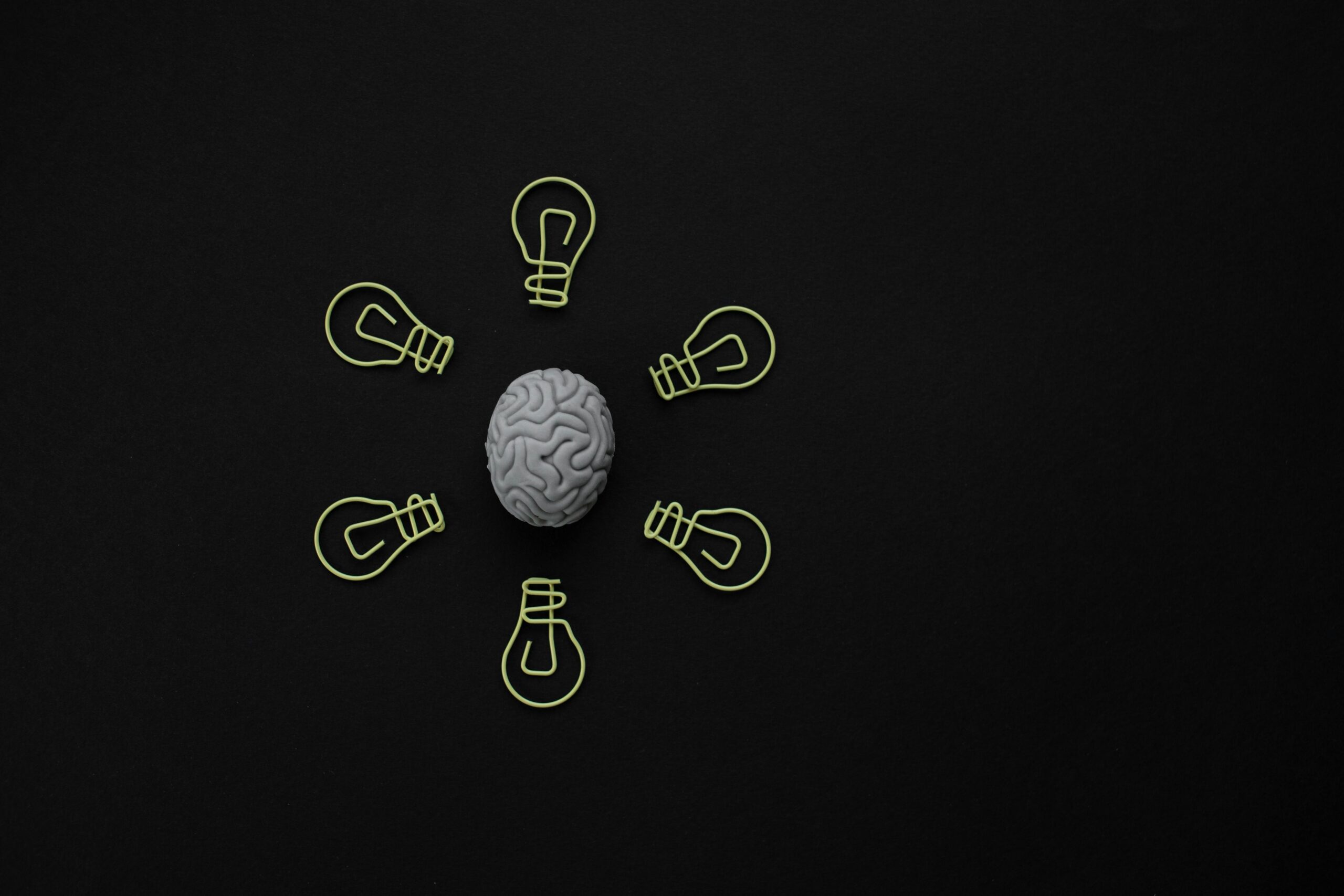
The convergence of artificial intelligence and abstract reasoning is reshaping how we approach innovation across industries. Deep abstract intelligence represents a paradigm shift in computational thinking, moving beyond pattern recognition toward genuine conceptual understanding.

As we stand at the threshold of a technological revolution, the integration of deep abstract intelligence into innovation frameworks promises to unlock unprecedented capabilities. This emerging field combines the processing power of deep learning with the flexibility of abstract reasoning, creating systems that can not only analyze data but also conceptualize entirely new solutions to complex problems.
🧠 Understanding Deep Abstract Intelligence: Beyond Traditional AI
Deep abstract intelligence transcends conventional artificial intelligence by incorporating higher-order thinking capabilities that mirror human cognitive processes. While traditional AI excels at specific tasks through pattern recognition and data processing, deep abstract intelligence operates on a more fundamental level, grasping underlying principles and applying them across diverse contexts.
This advanced form of intelligence combines multiple cognitive dimensions: symbolic reasoning, conceptual frameworks, meta-learning capabilities, and the ability to generate novel abstractions from limited data. Unlike narrow AI systems that require extensive training for specific applications, deep abstract intelligence can transfer knowledge across domains, much like human experts who apply foundational principles to new situations.
The Architecture of Abstract Reasoning
The foundation of deep abstract intelligence rests on neural architectures that prioritize relational reasoning over raw computation. These systems employ attention mechanisms, graph neural networks, and transformer models to identify relationships between concepts rather than merely processing individual data points. This architectural approach enables machines to understand context, causality, and conceptual hierarchies.
Contemporary research has demonstrated that embedding symbolic reasoning within neural networks creates hybrid systems capable of both intuitive pattern matching and logical deduction. These architectures represent a significant departure from purely connectionist approaches, acknowledging that human-level intelligence requires both bottom-up learning and top-down reasoning.
🚀 Transformative Applications Across Innovation Landscapes
The practical implications of deep abstract intelligence extend far beyond theoretical computer science, penetrating virtually every sector where innovation drives competitive advantage. From pharmaceutical development to sustainable energy solutions, this technology is accelerating discovery cycles and enabling breakthroughs previously constrained by human cognitive limitations.
Scientific Discovery and Research Acceleration
In scientific research, deep abstract intelligence systems are demonstrating remarkable capability in hypothesis generation and experimental design. These systems analyze existing literature, identify conceptual gaps, and propose novel research directions that human scientists might overlook. In materials science, for instance, abstract reasoning algorithms have predicted entirely new compounds by understanding fundamental chemical principles rather than simply interpolating between known materials.
The pharmaceutical industry has witnessed transformative results from applying deep abstract intelligence to drug discovery. By comprehending biological mechanisms at a conceptual level, these systems can propose molecular structures with desired therapeutic properties, dramatically reducing the time and cost associated with bringing new medications to market. This represents not merely faster computation but genuinely intelligent exploration of chemical space.
Engineering and Design Innovation
Engineering disciplines are experiencing a renaissance through the integration of abstract intelligence systems that understand physical principles, constraints, and optimization objectives simultaneously. Rather than optimizing single parameters, these systems grasp the holistic design challenge, balancing competing requirements in ways that produce genuinely innovative solutions.
Aerospace engineers now collaborate with abstract intelligence systems that comprehend aerodynamic principles, structural mechanics, and manufacturing constraints, proposing aircraft designs that push beyond incremental improvements toward revolutionary configurations. Similarly, architectural design benefits from systems that understand aesthetic principles, functional requirements, and sustainability considerations as integrated concepts rather than isolated variables.
💡 The Cognitive Framework: How Abstract Intelligence Thinks
Understanding how deep abstract intelligence operates requires examining its cognitive framework, which differs fundamentally from both traditional computing and conventional machine learning. These systems construct internal representations that correspond to concepts rather than raw sensory data, enabling reasoning at multiple levels of abstraction.
Conceptual Representation and Manipulation
At the heart of abstract intelligence lies the ability to form, manipulate, and apply conceptual representations. Unlike deep learning systems that operate primarily on statistical patterns, abstract intelligence systems build structured knowledge representations that capture relationships, hierarchies, and causal connections between ideas.
These representations enable several critical capabilities: analogical reasoning that transfers solutions across domains, compositional understanding that constructs complex concepts from simpler elements, and counterfactual reasoning that explores hypothetical scenarios. Together, these capabilities create a cognitive toolkit that mirrors human intellectual flexibility.
Meta-Learning and Conceptual Transfer
Perhaps the most powerful aspect of deep abstract intelligence is its meta-learning capability—the ability to learn how to learn. By extracting abstract principles from experience, these systems develop learning strategies that generalize across tasks. This means encountering a new problem domain doesn’t require starting from scratch; instead, the system applies relevant conceptual frameworks adapted from previous experience.
This transfer learning operates at a conceptual level rather than merely sharing neural network weights. The system identifies structural similarities between problems, even when surface features differ dramatically. A system that understands optimization in logistics might apply similar principles to resource allocation in healthcare, recognizing the underlying abstract commonality.
🌐 Industry Transformation Through Intelligent Abstraction
The business landscape is undergoing fundamental restructuring as organizations integrate deep abstract intelligence into their innovation processes. Companies that successfully leverage this technology gain competitive advantages not through incremental efficiency gains but through the ability to conceptualize and execute transformative strategies.
Financial Services and Strategic Intelligence
Financial institutions employ abstract intelligence systems to understand market dynamics at a conceptual level, moving beyond predictive analytics toward genuine strategic insight. These systems grasp economic principles, regulatory frameworks, and human behavioral patterns as integrated concepts, enabling sophisticated risk assessment and opportunity identification.
Portfolio management has evolved from statistical optimization to strategic positioning guided by systems that understand macroeconomic forces, geopolitical developments, and technological disruption as interconnected phenomena. This conceptual understanding enables anticipation of market shifts rather than merely reacting to historical patterns.
Manufacturing and Supply Chain Reimagination
Manufacturing enterprises leverage abstract intelligence to reconceptualize production processes, supply chains, and product development cycles. Rather than optimizing existing workflows, these systems identify fundamental inefficiencies and propose alternative organizational structures based on first principles.
Supply chain management benefits particularly from abstract reasoning capabilities that understand logistics, inventory dynamics, and demand patterns as manifestations of underlying economic and physical principles. This enables resilient, adaptive supply networks that respond intelligently to disruptions rather than following rigid protocols.
🔬 Technical Challenges and Frontiers
Despite remarkable progress, deep abstract intelligence faces significant technical challenges that define current research frontiers. Addressing these challenges will determine how fully this technology realizes its transformative potential across innovation domains.
Computational Complexity and Scalability
Abstract reasoning inherently involves exploring vast conceptual spaces, creating computational challenges distinct from those in traditional machine learning. While neural networks can be scaled through parallel processing, symbolic reasoning and conceptual manipulation often involve sequential dependencies that resist straightforward parallelization.
Current research explores hybrid architectures that balance neural and symbolic components, allocating computational resources dynamically based on problem characteristics. Quantum computing may ultimately provide the computational substrate necessary for truly scalable abstract intelligence, though practical implementations remain developmental.
Verification and Interpretability
As abstract intelligence systems make increasingly consequential decisions, verification and interpretability become critical concerns. Unlike narrow AI systems whose outputs can be validated against ground truth, abstract reasoning processes involve conceptual leaps that require different validation approaches.
Researchers are developing formal verification methods adapted to abstract reasoning, employing techniques from proof theory and logical analysis. Equally important are interpretability frameworks that make conceptual reasoning transparent, enabling human experts to understand, validate, and refine the abstractions employed by these systems.
🎯 Strategic Implementation for Organizations
Organizations seeking to harness deep abstract intelligence must approach implementation strategically, recognizing that this technology requires different organizational capabilities than conventional AI systems. Success depends not merely on technical deployment but on cultivating organizational cultures that can effectively collaborate with abstract reasoning systems.
Building Cognitive Infrastructure
Implementing abstract intelligence requires infrastructure that extends beyond computational resources to encompass knowledge representation, ontological frameworks, and conceptual databases. Organizations must invest in structuring their domain knowledge in ways that abstract intelligence systems can leverage, creating semantic networks that capture relationships between concepts.
This infrastructure development represents a significant undertaking, often requiring collaboration between domain experts, knowledge engineers, and AI specialists. However, the resulting cognitive infrastructure becomes a strategic asset, enabling not just current abstract intelligence applications but future innovations built on the same conceptual foundation.
Cultivating Human-AI Collaboration
The most powerful applications of deep abstract intelligence emerge through collaboration between human creativity and machine reasoning capabilities. Organizations must develop workflows, decision processes, and innovation methodologies that integrate abstract intelligence as a cognitive partner rather than merely a tool.
This requires training personnel not just in using AI systems but in thinking collaboratively with artificial intelligence. Humans contribute contextual understanding, ethical judgment, and creative intuition, while abstract intelligence systems offer conceptual exploration, logical rigor, and the ability to consider vast solution spaces. Together, they form cognitive partnerships exceeding either party’s independent capabilities.
🌟 Ethical Dimensions and Responsible Innovation
The power of deep abstract intelligence to reconceptualize problems and generate novel solutions raises profound ethical questions. As these systems gain increasing autonomy in shaping innovation directions, ensuring alignment with human values becomes paramount.
Value Alignment and Goal Specification
Abstract intelligence systems that reason about goals and objectives must be carefully aligned with human values. Unlike narrow AI systems with clearly defined objectives, abstract reasoning systems might reconceptualize goals in ways that technically satisfy specifications while violating intent. Robust value alignment requires embedding ethical reasoning within the abstract intelligence framework itself.
Research in machine ethics explores how abstract intelligence systems can understand moral principles not as rigid rules but as flexible guidelines requiring contextual judgment. This involves developing systems that grasp ethical concepts like fairness, autonomy, and wellbeing at an abstract level, enabling principled reasoning about novel ethical dilemmas.
Democratization and Access
Ensuring equitable access to abstract intelligence technology poses significant challenges. The computational resources, expertise, and data required for developing these systems risk concentrating power among well-resourced organizations and nations. Democratizing access requires deliberate effort, including open-source frameworks, educational initiatives, and international cooperation.
Some organizations are developing cloud-based abstract reasoning platforms that make this technology accessible to smaller enterprises and researchers in developing regions. These efforts recognize that maximizing innovation requires diverse perspectives and that abstract intelligence development benefits from global participation.
🔮 Future Trajectories and Emerging Possibilities
The trajectory of deep abstract intelligence points toward increasingly sophisticated systems capable of genuine conceptual creativity. Future developments will likely blur boundaries between human and machine cognition, creating collaborative intelligence networks that transcend current capabilities.
Autonomous Innovation Systems
Emerging research explores autonomous innovation systems that not only solve specified problems but identify important problems to address. These systems would understand societal needs, technological capabilities, and scientific opportunities at an abstract level, proposing research directions and innovation initiatives independently.
Such systems raise fascinating questions about the nature of creativity and discovery. If machines can independently identify important problems and generate novel solutions, what becomes the distinctive role of human innovators? The answer likely involves higher-order creativity—setting broad vision, establishing values, and curating machine-generated possibilities.
Collective Intelligence Augmentation
Perhaps the most exciting frontier involves integrating abstract intelligence into collective human cognition, creating augmented communities where individual and artificial intelligence seamlessly collaborate. Such systems might coordinate expertise across disciplines, identify conceptual connections spanning domains, and facilitate innovation at societal scale.
This vision of collective augmented intelligence suggests futures where solving complex challenges like climate change, pandemic prevention, and sustainable development becomes feasible through coordinated human-machine reasoning. The abstract intelligence layer would provide conceptual coherence across diverse efforts, identifying synergies and opportunities that transcend individual perspectives.

🎓 Preparing for an Abstract Intelligence Future
As deep abstract intelligence matures from research curiosity to transformative technology, preparing individuals, organizations, and societies becomes imperative. This preparation involves not just technical training but cultivating cognitive capabilities and institutional structures suited to an augmented intelligence era.
Educational systems must evolve beyond teaching fixed knowledge toward developing abstract reasoning capabilities that complement rather than compete with artificial intelligence. This means emphasizing conceptual understanding, interdisciplinary thinking, and the ability to collaborate with intelligent systems. Students should learn to leverage abstract intelligence tools while developing uniquely human capabilities like ethical judgment and creative vision.
Organizations require new leadership approaches suited to navigating rapidly evolving innovation landscapes shaped by abstract intelligence. Leaders must understand these technologies not as mere tools but as cognitive partners requiring thoughtful integration into strategic processes. This demands both technical literacy and wisdom about which decisions benefit from machine reasoning versus human judgment.
Societies face governance challenges as abstract intelligence shapes innovation directions with broad implications. Regulatory frameworks must balance encouraging beneficial innovation with managing risks, a challenge complicated by the technology’s capacity for unexpected conceptual leaps. International cooperation becomes essential, as abstract intelligence development and deployment transcend national boundaries.
The convergence of deep learning, symbolic reasoning, and abstract conceptualization represents a fundamental advancement in artificial intelligence. Deep abstract intelligence systems demonstrate capabilities that approach human-level reasoning in specific domains while offering computational advantages that exceed human cognitive capacity. This combination creates unprecedented opportunities for accelerating innovation across scientific, technological, and social domains.
Realizing this potential requires addressing technical challenges around scalability, verification, and interpretability while navigating ethical dimensions of increasingly autonomous intelligent systems. Organizations and societies that successfully integrate abstract intelligence into innovation processes while maintaining human agency and values will lead the coming decades of technological advancement.
The future shaped by deep abstract intelligence need not be one where machines replace human creativity but rather one where artificial and human intelligence form partnerships that transcend either’s independent capabilities. By maintaining focus on augmentation rather than replacement, we can unlock innovation potential while preserving what makes us fundamentally human—our values, creativity, and capacity for wisdom. The journey toward this future has begun, and its trajectory will define the 21st century’s technological and social landscape. 🌍