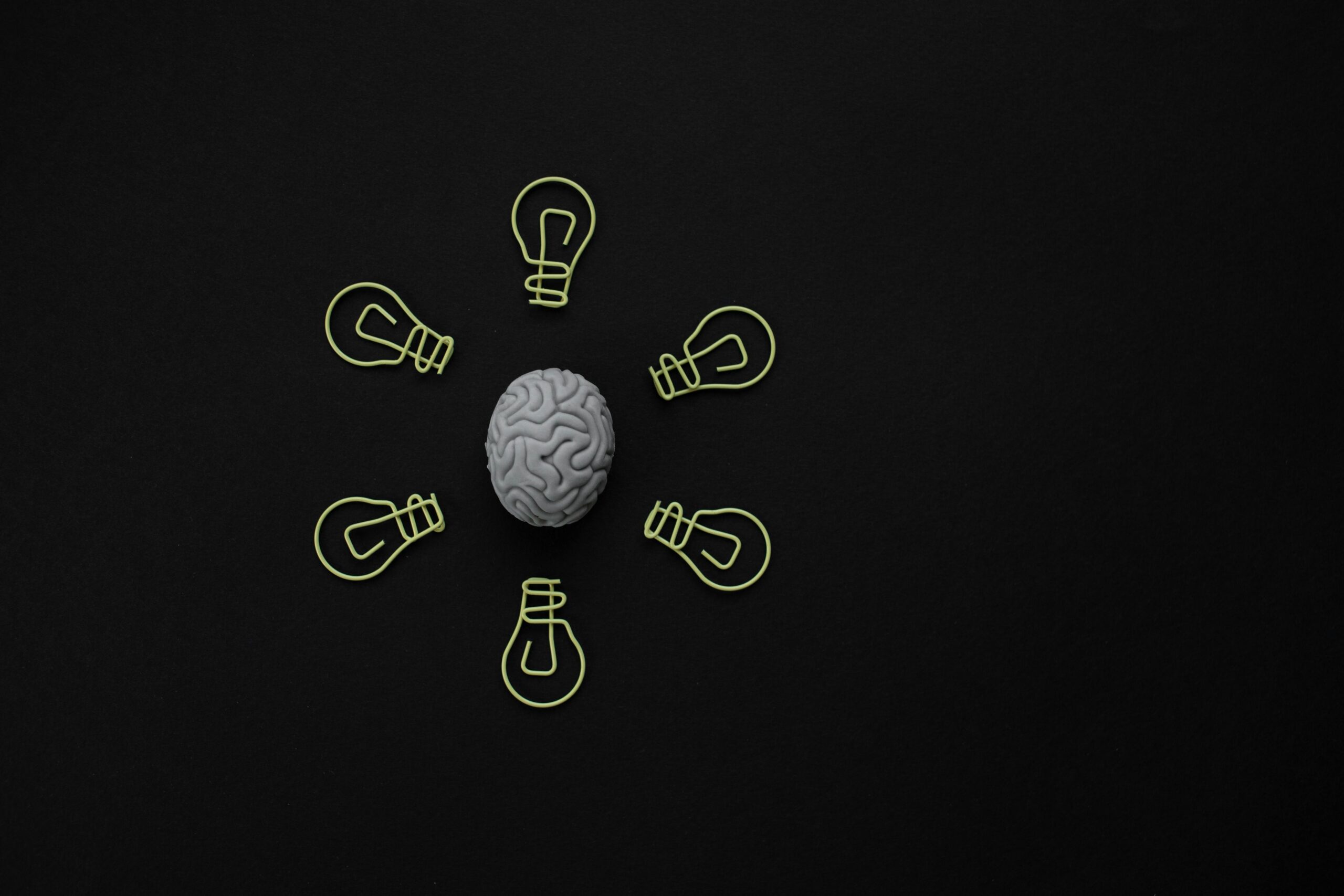
The human brain is an extraordinary organ capable of remarkable transformation and growth throughout our lives. This capacity for change, known as neuroplasticity, offers unprecedented opportunities to enhance cognitive function, emotional well-being, and overall quality of life.

In an era where technological advancement accelerates daily and information overload threatens to overwhelm us, understanding how to consciously guide our cognitive evolution has never been more critical. We stand at a unique crossroads in human history where ancient wisdom about the mind meets cutting-edge neuroscience, creating powerful pathways for personal transformation and collective progress.
🧠 Understanding Conscious Cognitive Evolution
Conscious cognitive evolution refers to the deliberate practice of enhancing our mental capabilities through intentional activities, lifestyle choices, and mindfulness practices. Unlike passive brain development that occurs naturally, this approach empowers individuals to actively shape their neural pathways and cognitive architecture.
Our brains contain approximately 86 billion neurons, each forming thousands of connections with other neurons. These synaptic connections strengthen with use and weaken with neglect—a principle neuroscientists summarize as “neurons that fire together, wire together.” By understanding this fundamental mechanism, we can strategically engage in activities that promote beneficial neural rewiring.
The concept extends beyond simple brain training exercises. It encompasses holistic lifestyle modifications including nutrition, physical exercise, sleep optimization, stress management, social engagement, and continuous learning. Each element contributes to creating an environment where cognitive enhancement thrives naturally.
The Science Behind Neuroplasticity and Brain Optimization
Neuroplasticity represents one of neuroscience’s most revolutionary discoveries. For decades, scientists believed the adult brain was essentially fixed and unchangeable. Research from the past few decades has completely overturned this assumption, revealing that our brains remain remarkably adaptable throughout our entire lifespan.
Studies using functional MRI scanning have demonstrated that learning new skills creates visible changes in brain structure within weeks. London taxi drivers, for example, show enlarged hippocampi—the brain region responsible for spatial navigation—compared to the general population. Musicians exhibit enhanced connectivity in areas governing fine motor control and auditory processing.
This research validates what practitioners of mindfulness and meditation have known intuitively for millennia: consistent mental practice produces tangible biological changes. Modern neuroscience now provides the empirical evidence supporting these ancient practices, bridging the gap between subjective experience and objective measurement.
Key Mechanisms of Cognitive Enhancement
Several biological processes underpin cognitive evolution. Neurogenesis—the birth of new neurons—continues in specific brain regions even in older adults. The hippocampus, crucial for memory formation, generates thousands of new cells daily when conditions are favorable.
Synaptic pruning represents another vital mechanism. The brain eliminates weak or unused connections while strengthening frequently activated pathways. This selective optimization improves processing efficiency and mental clarity. Think of it as upgrading your brain’s operating system by removing unnecessary programs and streamlining essential functions.
Brain-derived neurotrophic factor (BDNF) serves as a critical protein supporting neuron growth, survival, and differentiation. Activities like aerobic exercise, intermittent fasting, and cognitive challenges significantly boost BDNF levels, creating a biochemical environment conducive to cognitive enhancement.
🎯 Practical Strategies for Unlocking Mental Potential
Transforming theoretical knowledge into practical application requires specific, actionable strategies. The following approaches have demonstrated effectiveness in research settings and real-world applications.
Meditation and Mindfulness Practices
Meditation ranks among the most powerful tools for conscious cognitive evolution. Regular practice increases gray matter density in brain regions associated with emotional regulation, perspective-taking, and self-awareness. Even brief daily sessions of 10-15 minutes produce measurable benefits.
Mindfulness meditation specifically enhances attention control, reduces mental wandering, and improves working memory capacity. These improvements translate directly into better decision-making, enhanced creativity, and greater emotional resilience in daily life.
Various meditation styles offer different benefits. Focused attention meditation strengthens concentration, while open monitoring meditation enhances awareness and cognitive flexibility. Loving-kindness meditation increases empathy and social connection. Experimenting with different approaches helps identify what resonates most effectively with your goals and temperament.
Physical Exercise as Cognitive Catalyst
Physical activity represents perhaps the single most powerful intervention for brain health. Aerobic exercise increases blood flow to the brain, stimulates BDNF production, and triggers the growth of new neurons and blood vessels.
Research consistently demonstrates that regular exercisers outperform sedentary individuals on memory tests, executive function assessments, and processing speed measures. The cognitive benefits appear particularly pronounced for high-intensity interval training and activities requiring coordination and spatial awareness.
Exercise also reduces inflammation, improves insulin sensitivity, and optimizes neurotransmitter balance—all factors contributing to optimal cognitive function. The recommendation of 150 minutes of moderate aerobic activity weekly isn’t just about physical health; it’s fundamental to maintaining and enhancing mental acuity.
Nutrition for Optimal Brain Function
The brain consumes approximately 20% of the body’s total energy despite representing only 2% of body weight. Providing high-quality nutritional inputs directly impacts cognitive performance, mood stability, and long-term brain health.
- Omega-3 fatty acids (especially DHA) support neuronal membrane integrity and reduce neuroinflammation
- Antioxidants from colorful fruits and vegetables protect against oxidative stress
- B vitamins support neurotransmitter synthesis and energy metabolism
- Adequate protein provides amino acids necessary for neurotransmitter production
- Complex carbohydrates ensure stable glucose supply for consistent mental energy
Dietary patterns like the Mediterranean diet and MIND diet have demonstrated protective effects against cognitive decline and support optimal brain function across the lifespan. These eating patterns emphasize whole foods, healthy fats, lean proteins, and abundant plant-based nutrients.
💤 Sleep: The Foundation of Cognitive Performance
Sleep represents the most undervalued cognitive enhancement strategy in modern society. During sleep, the brain consolidates memories, clears metabolic waste products, restores neurotransmitter balance, and processes emotional experiences.
Chronic sleep deprivation impairs attention, working memory, emotional regulation, and decision-making—essentially handicapping every cognitive function we rely on daily. Conversely, optimizing sleep quality and duration enhances learning capacity, creative problem-solving, and psychological resilience.
The glymphatic system—discovered relatively recently—operates primarily during deep sleep, flushing neurotoxic waste products from the brain. This cleaning process appears crucial for preventing neurodegenerative diseases and maintaining long-term cognitive health.
Optimizing Your Sleep Architecture
Quality matters as much as quantity. A full night’s sleep cycles through multiple stages, each serving distinct functions. Deep sleep supports physical restoration and memory consolidation, while REM sleep facilitates emotional processing and creative integration.
Practical sleep optimization strategies include maintaining consistent sleep-wake schedules, creating dark cool sleeping environments, limiting screen exposure before bed, and developing relaxing pre-sleep routines. These simple interventions can dramatically improve sleep quality and subsequent cognitive performance.
🌐 Social Connection and Collective Intelligence
Human brains evolved in intensely social environments. Our cognitive architecture is fundamentally designed for social interaction, collaboration, and collective problem-solving. Social connection isn’t merely pleasant—it’s neurologically essential for optimal brain function.
Strong social relationships correlate with better cognitive performance, reduced dementia risk, and enhanced overall well-being. Meaningful conversations stimulate multiple brain regions simultaneously, providing comprehensive cognitive workout benefits.
The concept of collective intelligence suggests that groups can achieve cognitive capabilities exceeding any individual member’s capacity. By engaging in collaborative learning, constructive dialogue, and shared problem-solving, we access enhanced cognitive resources unavailable in isolation.
Building Cognitively Enriching Relationships
Not all social interaction provides equal cognitive benefits. Relationships characterized by mutual respect, intellectual stimulation, emotional authenticity, and shared growth orientation offer the greatest cognitive advantages.
Engaging in stimulating conversations that challenge assumptions, expose you to novel perspectives, and require active listening exercises multiple cognitive faculties simultaneously. These interactions build cognitive reserve—the brain’s resilience against age-related decline and neurological injury.
🚀 Continuous Learning and Cognitive Challenge
The principle “use it or lose it” applies powerfully to cognitive function. Regularly challenging your brain with novel, complex tasks promotes neuroplasticity and builds cognitive reserve.
Learning new skills—particularly those combining physical coordination, cognitive demands, and social interaction—provides comprehensive brain stimulation. Examples include learning musical instruments, foreign languages, dance styles, or complex strategic games.
The key factor is novelty and progressive challenge. Once a skill becomes automatic, its brain-building benefits diminish. Continuously seeking new learning frontiers maintains the cognitive stimulation necessary for ongoing neural development.
Embracing Productive Failure
Struggle and temporary failure during learning aren’t obstacles—they’re essential components of cognitive growth. The discomfort of grappling with challenging material signals active neuroplastic change occurring in real-time.
Adopting a growth mindset—the belief that abilities can be developed through effort—fundamentally changes how we approach challenges. This perspective shift alone improves learning outcomes, persistence, and long-term cognitive development.
Managing the Modern Cognitive Environment
Contemporary life presents unprecedented cognitive challenges. Information abundance, constant connectivity, and attention fragmentation threaten to overwhelm our cognitive capabilities. Conscious cognitive evolution requires deliberately managing these environmental factors.
Digital technology offers remarkable tools for learning and connection, but also creates potential for cognitive harm through excessive stimulation, shallow processing, and attention disruption. Developing healthy digital boundaries protects cognitive resources while preserving technology’s benefits.
Attention Management Strategies
Attention represents our most valuable cognitive resource. Deep work—sustained focus on cognitively demanding tasks without distraction—produces disproportionate value while building cognitive capacity.
Implementing structured attention management practices creates space for genuine cognitive work. Time-blocking techniques, environmental modifications to reduce distractions, and regular digital detoxes help reclaim attentional control from the attention economy designed to capture and monetize focus.
✨ Creating Your Personal Cognitive Evolution Plan
Sustainable cognitive enhancement requires personalized approaches aligned with individual circumstances, preferences, and goals. A one-size-fits-all approach rarely succeeds long-term.
Begin by honestly assessing your current cognitive lifestyle across key domains: physical activity, nutrition, sleep, stress management, social connection, learning, and attention management. Identify specific areas offering greatest improvement potential.
Implement changes gradually, focusing on building sustainable habits rather than dramatic overnight transformations. Small consistent improvements compound remarkably over time, producing substantial long-term results without overwhelming willpower reserves.
Tracking Progress and Adjusting Course
Monitoring cognitive performance helps identify effective interventions and areas requiring adjustment. Subjective measures like mood, energy levels, and perceived cognitive clarity provide valuable feedback. Objective assessments might include memory tests, learning speed, or creative output quality.
Remember that cognitive enhancement isn’t linear. Plateaus and temporary setbacks are normal parts of the process. Maintaining long-term perspective and commitment through inevitable fluctuations separates those who achieve lasting transformation from those who abandon efforts prematurely.
The Interconnected Future of Human Cognition
Conscious cognitive evolution extends beyond individual benefit. As more people optimize their cognitive capabilities, collective human potential expands correspondingly. The complex challenges facing humanity—climate change, social inequality, technological disruption—require enhanced cognitive capacity at both individual and societal levels.
By embracing personal cognitive development, you contribute to broader cultural shifts toward valuing mental health, lifelong learning, and human potential optimization. This ripple effect multiplies the impact of individual efforts exponentially.
The integration of technology, neuroscience, and ancient wisdom traditions creates unprecedented opportunities for cognitive enhancement. We’re living through a unique historical moment where understanding brain function and accessing powerful optimization tools has never been more accessible.

🌟 Your Journey Begins Now
Unlocking your mind’s potential isn’t a destination but an ongoing journey of discovery, growth, and transformation. Every small step toward conscious cognitive evolution creates positive feedback loops, making subsequent improvements easier and more natural.
Start where you are with what you have. Perhaps that means a ten-minute morning meditation, a daily walk, improving sleep hygiene, or committing to learning something new each week. The specific starting point matters less than the commitment to begin and consistency to continue.
Your brain’s remarkable plasticity means it’s never too late to begin. Whether you’re twenty or eighty, your nervous system retains the capacity for meaningful positive change. The investment you make in cognitive enhancement today pays dividends in improved quality of life, enhanced capabilities, and greater resilience against life’s inevitable challenges.
Embrace the exciting reality that you can actively shape your cognitive future. The tools, knowledge, and strategies exist to unlock potentials you might not realize you possess. Your smarter, healthier, more connected future awaits—and the path forward begins with a single conscious choice to evolve.