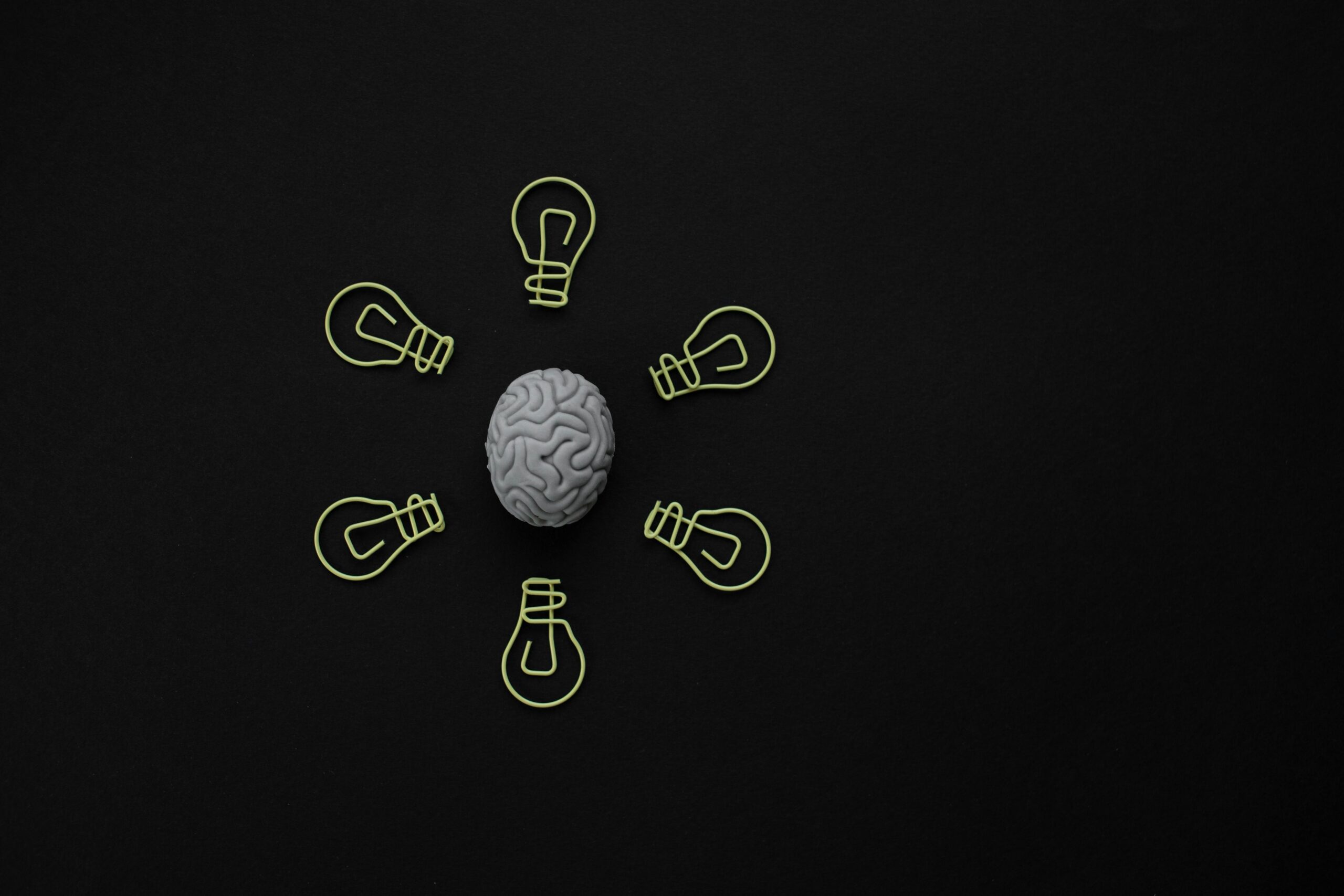
In today’s fast-paced world, achieving mental clarity feels like an impossible dream. Yet, a revolutionary approach called Integrated Cognitive Coherence is transforming how we unlock our mind’s true potential.

Our brains process thousands of thoughts daily, but most people never learn to harness this incredible power effectively. The scattered nature of modern life—constant notifications, endless multitasking, and information overload—creates cognitive fragmentation that prevents us from thinking clearly and maintaining sustained focus. This disconnection between our mental processes doesn’t just affect productivity; it impacts our overall well-being, decision-making abilities, and quality of life.
🧠 Understanding Integrated Cognitive Coherence
Integrated Cognitive Coherence represents a groundbreaking framework that synchronizes different aspects of mental functioning into a unified, harmonious state. Unlike traditional cognitive enhancement methods that focus on isolated skills like memory or attention, this approach addresses the interconnected nature of all mental processes. Think of it as conducting an orchestra where every instrument—your attention, memory, emotional regulation, and executive function—plays in perfect harmony.
The concept draws from neuroscience research showing that optimal brain function occurs when neural networks communicate efficiently. When your cognitive systems work in coherence, you experience what researchers call “flow states” more frequently—those magical moments when everything clicks, time seems to disappear, and your performance reaches peak levels.
This integrated approach differs fundamentally from fragmented self-improvement techniques. Rather than trying to boost individual cognitive abilities in isolation, it creates synergy between mental faculties, producing results that exceed the sum of their parts. The outcome is sustainable mental clarity, enhanced focus, and improved cognitive resilience.
The Science Behind Mental Coherence
Neuroscientific research reveals that cognitive coherence involves specific brainwave patterns and neural synchronization. When different brain regions coordinate their electrical activity, information flows more smoothly, and mental processing becomes more efficient. Studies using EEG technology demonstrate that individuals in coherent states show increased alpha and theta wave synchronization, particularly between frontal and parietal regions.
The prefrontal cortex, responsible for executive functions like planning and decision-making, communicates more effectively with the hippocampus (memory center) and amygdala (emotional processing) during coherent states. This enhanced connectivity allows for better integration of logical thinking, past experiences, and emotional intelligence—the hallmarks of wise decision-making.
Furthermore, research on neuroplasticity shows that consistently practicing cognitive coherence techniques actually rewires the brain. Regular engagement strengthens neural pathways associated with attention control, emotional regulation, and cognitive flexibility, making these abilities progressively easier to access.
The Role of Neurotransmitters in Mental Clarity
Cognitive coherence also involves optimal neurotransmitter balance. Dopamine supports motivation and reward processing, serotonin regulates mood and impulse control, while acetylcholine enhances learning and attention. When these chemical messengers work in balance, your brain operates at peak efficiency. The integrated approach naturally promotes this balance through lifestyle practices and mental exercises.
✨ Core Principles of Integrated Cognitive Coherence
The foundation of this cutting-edge approach rests on several interconnected principles that work together to unlock mental potential:
- Holistic Integration: Recognizing that cognitive abilities don’t exist in isolation but form an interconnected system
- Rhythmic Consistency: Establishing regular patterns that align with natural biological rhythms
- Adaptive Flexibility: Developing the capacity to shift mental states according to situational demands
- Mindful Awareness: Cultivating present-moment consciousness that reduces mental fragmentation
- Energy Management: Optimizing mental resources through strategic allocation of cognitive effort
- Recovery and Restoration: Prioritizing rest periods that allow neural consolidation and rejuvenation
Each principle supports the others, creating a self-reinforcing system. For instance, mindful awareness enhances energy management by helping you notice when mental fatigue occurs, while rhythmic consistency makes adaptive flexibility easier by establishing a stable baseline from which to shift states.
Practical Techniques for Achieving Cognitive Coherence
Implementing Integrated Cognitive Coherence doesn’t require expensive equipment or extensive time commitments. The following evidence-based techniques can be seamlessly integrated into daily routines:
Structured Morning Priming
The first 30 minutes after waking profoundly influence cognitive function throughout the day. Instead of immediately checking devices, create a morning ritual that establishes coherence. This might include controlled breathing exercises, brief movement or stretching, and setting clear intentions for the day. This priming period synchronizes your circadian rhythms with conscious goals, creating alignment between biological and psychological systems.
Attention Training Through Focused Work Blocks
Rather than constant multitasking, implement structured focus periods using techniques like the Pomodoro method with modifications. Work on a single task for 50-90 minutes—matching your ultradian rhythm cycle—then take meaningful breaks. During work blocks, eliminate distractions completely, allowing your brain to enter deeper concentration states. The key is consistency; regular practice trains your attentional networks to access focus more readily.
Cognitive Cross-Training
Just as physical cross-training prevents imbalances and injury, cognitive cross-training develops well-rounded mental capacities. Alternate between different types of mental activities throughout your week: analytical problem-solving, creative brainstorming, social interaction, physical coordination tasks, and reflective contemplation. This variety strengthens connections between different brain networks, enhancing overall cognitive coherence.
Breathwork for Neural Regulation
Controlled breathing directly influences nervous system states and brainwave patterns. Box breathing (inhaling for 4 counts, holding for 4, exhaling for 4, holding for 4) promotes alpha brainwave activity associated with calm focus. Longer exhales activate the parasympathetic nervous system, reducing stress and mental clutter. Practice breathwork during transitions between activities to reset cognitive states.
🎯 Overcoming Common Obstacles to Mental Clarity
Even with the best techniques, specific challenges can disrupt cognitive coherence. Understanding these obstacles helps you navigate them effectively:
Digital Distraction and Attention Fragmentation
Modern technology fragments attention through constant notifications and platform switching. Combat this by establishing “tech hygiene” practices: designated device-free times, turning off non-essential notifications, and using single-purpose sessions (checking email once or twice daily rather than continuously). Consider apps that support focus rather than fragment it.
Decision Fatigue and Mental Depletion
Every decision consumes cognitive resources, leading to mental exhaustion. Reduce unnecessary decisions by creating routines for recurring activities, preparing decisions in advance when possible, and scheduling important decisions during your peak mental energy periods. Simplifying your environment and commitments preserves mental resources for what truly matters.
Emotional Turbulence and Mental Static
Unprocessed emotions create background noise that interferes with clear thinking. Rather than suppressing feelings, develop practices for emotional acknowledgment and processing. Journaling, movement, or brief mindfulness exercises help metabolize emotional experiences, preventing them from creating persistent mental static. This emotional coherence directly supports cognitive coherence.
The Connection Between Physical and Cognitive Coherence
Your brain doesn’t exist independently from your body—they form an integrated system. Physical states profoundly influence mental clarity and focus. Exercise increases blood flow to the brain, stimulates neurogenesis, and regulates neurotransmitters. Even brief movement breaks during cognitive work enhance subsequent focus and problem-solving ability.
Sleep quality represents perhaps the most critical factor in cognitive coherence. During sleep, the brain consolidates memories, clears metabolic waste products, and strengthens important neural connections while pruning unnecessary ones. Prioritizing consistent sleep schedules, sleep hygiene, and adequate sleep duration (typically 7-9 hours for adults) dramatically improves daytime cognitive function.
Nutrition also plays a vital role. The brain consumes approximately 20% of the body’s energy despite representing only 2% of body weight. Stable blood sugar through balanced meals, adequate hydration, and nutrients like omega-3 fatty acids support optimal neural function. Avoiding inflammatory foods and excessive stimulants promotes the stable physiological state necessary for mental coherence.
💡 Advanced Strategies for Sustained Mental Performance
Strategic Energy Allocation
Not all tasks require maximum cognitive effort. Develop the skill of matching mental energy investment to task importance and complexity. Reserve your peak mental hours for demanding creative or analytical work. Handle routine administrative tasks during lower-energy periods. This strategic allocation prevents burnout while ensuring high-quality output on priority work.
Environmental Design for Cognitive Support
Your physical environment significantly impacts mental states. Design workspaces that support coherence: minimize visual clutter, optimize lighting (natural light when possible), control noise levels, and adjust temperature for comfort. Different environments can cue different cognitive modes—having distinct spaces for focused work, creative thinking, and relaxation helps your brain shift states more efficiently.
Social Coherence and Collective Intelligence
Cognitive coherence isn’t purely individual. The people you interact with influence your mental states through emotional contagion and shared attention. Cultivate relationships with individuals who support your cognitive goals. Engage in meaningful conversations that stimulate rather than drain. Participate in collaborative work that leverages collective intelligence while avoiding toxic social dynamics that create mental fragmentation.
Measuring Progress and Adjusting Your Approach
Improving cognitive coherence requires awareness of your baseline and tracking progress. While subjective experience matters most, several metrics can provide helpful feedback:
- Focus Duration: How long can you maintain undivided attention on a single task?
- Mental Clarity: Do you experience clear, organized thinking or mental fog?
- Decision Quality: Are you making choices aligned with your values and goals?
- Cognitive Flexibility: Can you shift between different types of mental tasks smoothly?
- Stress Resilience: How effectively do you maintain composure under pressure?
- Recovery Speed: How quickly do you bounce back from mental fatigue?
Keep a simple journal tracking these dimensions weekly. Notice patterns between your practices and outcomes. This meta-awareness—thinking about your thinking—itself strengthens cognitive coherence by developing the observing mind that can regulate mental processes.
🚀 Integrating Coherence Into Your Daily Life
The true power of Integrated Cognitive Coherence emerges through consistent application. Rather than attempting dramatic overnight changes, implement gradually through micro-habits that compound over time. Start with one or two techniques that resonate most strongly, practice them until they become automatic, then add additional elements.
Morning and evening bookends provide excellent anchors. A coherence-promoting morning routine sets the tone for your day, while an evening wind-down routine facilitates quality sleep and next-day cognitive function. Within these bookends, embed focus periods, movement breaks, and mindfulness moments.
Consider weekly reviews where you assess what’s working and what needs adjustment. Cognitive coherence isn’t a fixed destination but an ongoing practice of alignment and optimization. Your needs will evolve with life circumstances, and your approach should adapt accordingly.
The Transformative Impact of Mental Clarity
When cognitive coherence becomes your default state rather than an occasional exception, the cumulative effects transform your life. Professional performance improves as you accomplish more meaningful work in less time with better quality. Creativity flourishes when your mind accesses deeper insights and novel connections. Relationships deepen through enhanced presence and emotional intelligence.
Beyond practical benefits, mental clarity creates a profound sense of wellbeing. The constant mental chatter and anxiety that plague modern life diminish, replaced by calm confidence and purposeful action. You develop trust in your cognitive abilities and decision-making capacity. This psychological coherence—alignment between your thoughts, feelings, and actions—generates authentic satisfaction.
Perhaps most significantly, unlocking your mind’s potential through integrated coherence empowers you to pursue what truly matters. When mental fog lifts and focus sharpens, you gain clarity not just about tasks but about values, meaning, and direction. This existential clarity guides you toward a life of genuine fulfillment rather than mere busyness.
Taking the First Step Toward Cognitive Transformation
The journey to unlocking your mind’s potential begins with a single intentional choice. You don’t need to master everything immediately or achieve perfect implementation. Start where you are with what you have. Choose one technique from this article that resonates most strongly and commit to practicing it consistently for two weeks.
Notice what changes—not just in productivity, but in how you experience your mental life. Pay attention to moments of clarity, instances of improved focus, or times when you navigate challenges with greater ease. These small victories build momentum and motivation for continued development.
Remember that cognitive development, like physical fitness, requires ongoing practice. You’re not fixing something broken but rather optimizing an already remarkable system. Your brain possesses extraordinary potential; Integrated Cognitive Coherence simply provides the framework to access it more fully and consistently.
The cutting-edge approach to mental clarity and focus isn’t found in quick fixes or magic solutions. It emerges from understanding how your cognitive systems work together and intentionally creating conditions that support their optimal function. By embracing the principles and practices of Integrated Cognitive Coherence, you unlock capacities that have always existed within you, waiting for the right approach to bring them forth. Your clearest thinking, sharpest focus, and most profound insights await on the other side of cognitive coherence. 🌟