
Our perception shapes everything we know about reality. Yet most of us navigate life using only a fraction of our perceptual capabilities, missing layers of understanding that could fundamentally transform how we experience existence.

The concept of multidimensional perception invites us to expand beyond our conventional sensory limitations and cognitive frameworks. By developing awareness across physical, emotional, energetic, and intuitive dimensions simultaneously, we access a richer, more nuanced understanding of ourselves and the world around us. This expanded awareness doesn’t require supernatural abilities—it simply demands that we consciously engage with aspects of reality we’ve been trained to ignore.
🌍 Beyond the Five Senses: Recognizing Our Limited Perspective
Traditional education teaches us to rely primarily on our five physical senses: sight, sound, touch, taste, and smell. While these sensory channels provide valuable information, they capture only a narrow bandwidth of available data. Light exists beyond the visible spectrum, sounds occur outside our hearing range, and countless chemical signals float through the air undetected by our conscious awareness.
Neuroscience reveals that our brains filter out approximately 99% of sensory information before it reaches conscious awareness. This filtering mechanism evolved to prevent cognitive overload, but it also means we’re constantly constructing a simplified version of reality based on what our nervous system deems relevant for survival.
When we speak of multidimensional perception, we’re addressing both the information our senses miss and the interpretive frameworks that shape how we process what we do receive. Cultural conditioning, personal beliefs, emotional states, and cognitive biases all create perceptual filters that determine which aspects of reality we notice and how we interpret them.
The Perceptual Hierarchy We Rarely Question
Western culture particularly emphasizes visual and auditory information while minimizing other perceptual channels. We say “I see what you mean” rather than “I feel what you mean,” revealing our cognitive preference for sight-based metaphors. This hierarchy isn’t universal—other cultures place greater emphasis on kinesthetic awareness, energetic sensitivity, or intuitive knowing.
Recognizing these cultural biases represents the first step toward multidimensional perception. When we acknowledge that our current way of perceiving isn’t the only valid approach, we create space for alternative modes of understanding to emerge.
🧠 Expanding Consciousness Through Neuroplasticity
The human brain possesses remarkable adaptability throughout life. Neuroplasticity—the brain’s ability to reorganize itself by forming new neural connections—means we can literally rewire our perceptual apparatus through intentional practice. This biological reality supports the possibility of developing enhanced perceptual capabilities regardless of age or previous experience.
Studies of meditation practitioners demonstrate measurable changes in brain structure, particularly in areas associated with attention, sensory processing, and emotional regulation. Long-term meditators show increased gray matter density in the insula and sensory cortex, regions involved in internal awareness and sensory perception.
These findings suggest that perception isn’t fixed but rather malleable. By engaging in practices that challenge our habitual ways of processing information, we can develop new perceptual channels and enhance existing ones.
Practical Neuroplasticity Techniques for Perceptual Expansion
Several evidence-based practices support the development of multidimensional perception:
- Sensory deprivation and isolation: Temporarily reducing input from dominant senses enhances awareness of subtler signals
- Cross-sensory training: Deliberately connecting different sensory modalities (like associating sounds with colors) builds neural bridges
- Mindfulness meditation: Cultivating non-judgmental awareness of present-moment experience without interpretation
- Proprioceptive practices: Activities like yoga, tai chi, or dance that heighten bodily awareness
- Contemplative inquiry: Questioning the nature of perception itself through philosophical exploration
✨ The Energetic Dimension: Perceiving Beyond the Physical
Many wisdom traditions describe reality as fundamentally energetic rather than purely material. Quantum physics echoes this perspective, revealing that solid matter is mostly empty space filled with vibrating energy fields. This understanding invites us to consider whether we might perceive these energetic dimensions directly.
Practitioners of various disciplines—from traditional Chinese medicine to modern energy psychology—report perceiving subtle energy fields around living organisms. While mainstream science remains skeptical of such claims, emerging research in bioelectromagnetics documents measurable electromagnetic fields generated by the heart, brain, and other bodily systems.
The heart generates the body’s strongest electromagnetic field, detectable several feet away from the body. Studies at the HeartMath Institute have documented that this field carries information that can be detected by the nervous systems of nearby individuals, suggesting a mechanism for energetic communication beyond conventional sensory channels.
Developing Energetic Sensitivity
Whether we interpret these experiences as literal energy perception or enhanced sensitivity to subtle physical cues, developing this awareness provides valuable information. Practices for cultivating energetic perception include:
Focused attention on sensation in the hands and body core, where many people first notice subtle energetic phenomena. Simple exercises like holding hands near each other without touching and noticing sensations of warmth, tingling, or pressure can begin developing this sensitivity.
Working with living systems like plants or animals often provides clearer feedback than attempting to sense human energy fields initially. Many people find it easier to develop sensitivity by first practicing with the natural world.
🎯 Intuitive Intelligence: Trusting Non-Linear Knowing
Intuition represents another dimension of perception that conventional education typically dismisses. Yet research increasingly validates intuitive intelligence as a legitimate form of knowing, distinct from but complementary to rational analysis.
Cognitive scientist Gerd Gigerenzer describes intuition as rapid cognition that draws on extensive pattern recognition developed through experience. Intuitive insights often arise from the unconscious processing of information our conscious mind hasn’t explicitly analyzed. This doesn’t make intuition mystical—it simply operates through different neural pathways than step-by-step logical reasoning.
The body serves as a crucial receptor for intuitive information. Phrases like “gut feeling” or “heartfelt knowing” reflect the reality that intuitive insights often register as physical sensations before conscious thoughts. The enteric nervous system in the digestive tract and the intrinsic cardiac nervous system in the heart both process information independently of the brain, contributing to what we experience as intuition.
Distinguishing Genuine Intuition from Wishful Thinking
Developing reliable intuitive perception requires learning to differentiate authentic intuitive signals from fear, desire, or imagination. Genuine intuition typically has these characteristics:
- Arrives suddenly and completely rather than building gradually through analysis
- Carries a quality of calm certainty rather than emotional urgency
- Often contradicts what we consciously want or expect
- Provides information we couldn’t have logically derived from known facts
- Remains consistent when revisited rather than changing with our moods
🌊 Emotional Dimensions: Feeling as a Form of Perception
Emotions provide crucial information about our relationship with our environment, yet Western culture often treats feelings as subjective experiences to be managed rather than perceptual data to be interpreted. Reframing emotions as a legitimate form of perception opens new dimensions of understanding.
Emotional contagion—the phenomenon where we unconsciously mirror the emotional states of people around us—demonstrates that we constantly perceive and respond to emotional information in our environment. Mirror neurons fire when we observe others experiencing emotions, creating a neurological basis for empathy and emotional perception.
Highly sensitive individuals, who comprise approximately 15-20% of the population, process sensory and emotional information more deeply than others. Rather than viewing this trait as a weakness, understanding high sensitivity as enhanced perceptual capacity reframes it as a valuable dimension of human diversity.
Developing Emotional Literacy
Enhancing emotional perception requires developing greater differentiation in our emotional vocabulary. Rather than simply categorizing feelings as good or bad, happy or sad, we can learn to identify subtle variations like the difference between contentment and satisfaction, or between anxiety and excitement.
Practices like emotion journaling, somatic awareness, and compassionate self-inquiry help develop this perceptual refinement. When we can accurately identify and name our emotional experiences, we gain access to the information these feelings convey about our needs, values, and environmental conditions.
🔮 Temporal Perception: Past, Present, and Future Simultaneously
Our conventional understanding treats time as linear—past leading to present leading to future. Yet our actual experience of time is far more complex. Memory constantly reconstructs the past, our present attention shifts between multiple timescales simultaneously, and our anticipation of the future shapes our current experience.
Indigenous cultures and contemplative traditions often describe time as cyclical or as an eternal present moment containing all possibilities. While these descriptions may sound metaphorical, quantum physics suggests that time might indeed be more fluid than our everyday experience suggests.
Developing multitemporal perception means recognizing how past patterns inform present experience while future intentions shape current actions. It involves distinguishing between being lost in memories versus learning from the past, and between anxious rumination about the future versus intentional forward planning.
Presence as the Gateway to Temporal Fluidity
Paradoxically, accessing multitemporal perception requires first developing strong presence in the current moment. When we’re fully present, we can consciously choose which temporal perspective serves our current needs rather than being unconsciously pulled between past regrets and future anxieties.
Meditation traditions emphasize present-moment awareness precisely because it provides the stable ground from which we can explore other dimensions of experience. From this centered presence, we can deliberately examine how past conditioning shapes current perception or how future possibilities call us forward.
🌐 Collective and Field Perception: Beyond Individual Consciousness
Multidimensional perception extends beyond individual awareness to include collective and field-level phenomena. Systems theory demonstrates that groups, organizations, and societies exhibit emergent properties that can’t be reduced to individual members’ characteristics.
When we develop sensitivity to collective fields, we begin perceiving group dynamics, cultural atmospheres, and social undercurrents that remain invisible to purely individual awareness. This perception operates through multiple channels—picking up on body language patterns in groups, sensing emotional atmospheres in rooms, or intuiting unspoken collective agreements.
Family systems therapy, organizational development, and social psychology all work with these collective-level phenomena, even if they describe them in different terminology. Developing this perceptual dimension enhances our ability to navigate social environments and contribute constructively to collective processes.
🛠️ Integrating Multiple Dimensions: Practical Applications
Understanding multidimensional perception theoretically differs significantly from integrating it into daily life. Practical application requires developing habits that regularly engage multiple perceptual channels simultaneously rather than defaulting to our habitual patterns.
Consider decision-making as an example. A multidimensional approach would involve:
- Gathering relevant factual information (rational/analytical dimension)
- Noticing how options feel in your body (somatic/intuitive dimension)
- Examining emotional responses to possibilities (emotional dimension)
- Considering impacts on relationships and systems (collective dimension)
- Sensing which choice aligns with your deeper values (spiritual/meaning dimension)
- Imagining yourself in the future having made each choice (temporal dimension)
This integrated approach doesn’t guarantee perfect decisions, but it draws on a fuller range of available information than any single perceptual mode provides alone.
Daily Practices for Perceptual Integration
Simple practices can help develop multidimensional awareness as a regular habit rather than an occasional exercise. Morning check-ins that scan across physical, emotional, mental, and energetic states establish baseline awareness. Brief pauses throughout the day to notice what you’re perceiving through different channels interrupt habitual patterns. Evening reflections on what you noticed through various perceptual modes strengthens new neural pathways.
The key is consistency rather than intensity. Five minutes daily of intentional multidimensional awareness creates more lasting change than occasional hour-long practices.
💫 Navigating Challenges and Pitfalls
Developing multidimensional perception isn’t without challenges. Opening to subtler dimensions of experience can feel overwhelming, especially for those who’ve spent years shutting down sensitivity to cope with difficult environments. Pacing matters—gradually expanding awareness allows nervous system adaptation without overload.
Another common pitfall involves becoming so fascinated with subtle perceptions that we neglect practical reality. Multidimensional perception should enhance rather than replace conventional awareness. The goal isn’t to float off into ethereal realms but to bring more dimensions of understanding to everyday life.
Discernment becomes crucial as we develop enhanced sensitivity. Not every perception requires action, and not every intuitive hit proves accurate. Maintaining healthy skepticism while remaining open to new information creates the balanced approach that prevents both rigid dismissal and naive credulity.
🌟 The Transformative Potential of Expanded Awareness
When we consistently engage multiple dimensions of perception, our entire relationship with reality transforms. Problems that seemed intractable from one perspective reveal unexpected solutions when viewed through additional lenses. Conflicts that appeared irreconcilable often dissolve when we access the deeper patterns underneath surface disagreements.
This expanded awareness naturally cultivates compassion as we recognize that every person operates from their own perceptual reality, constrained by their particular filters and frameworks. Understanding that disagreements often stem from different perceptual positions rather than fundamental incompatibility opens possibilities for genuine communication.
Perhaps most significantly, multidimensional perception reconnects us with the profound mystery at the heart of existence. Rather than reducing reality to what we can measure and explain, we remain open to dimensions of experience that exceed our current understanding. This orientation combines intellectual humility with experiential curiosity—we recognize the limits of our knowledge while continuing to explore what lies beyond those boundaries.
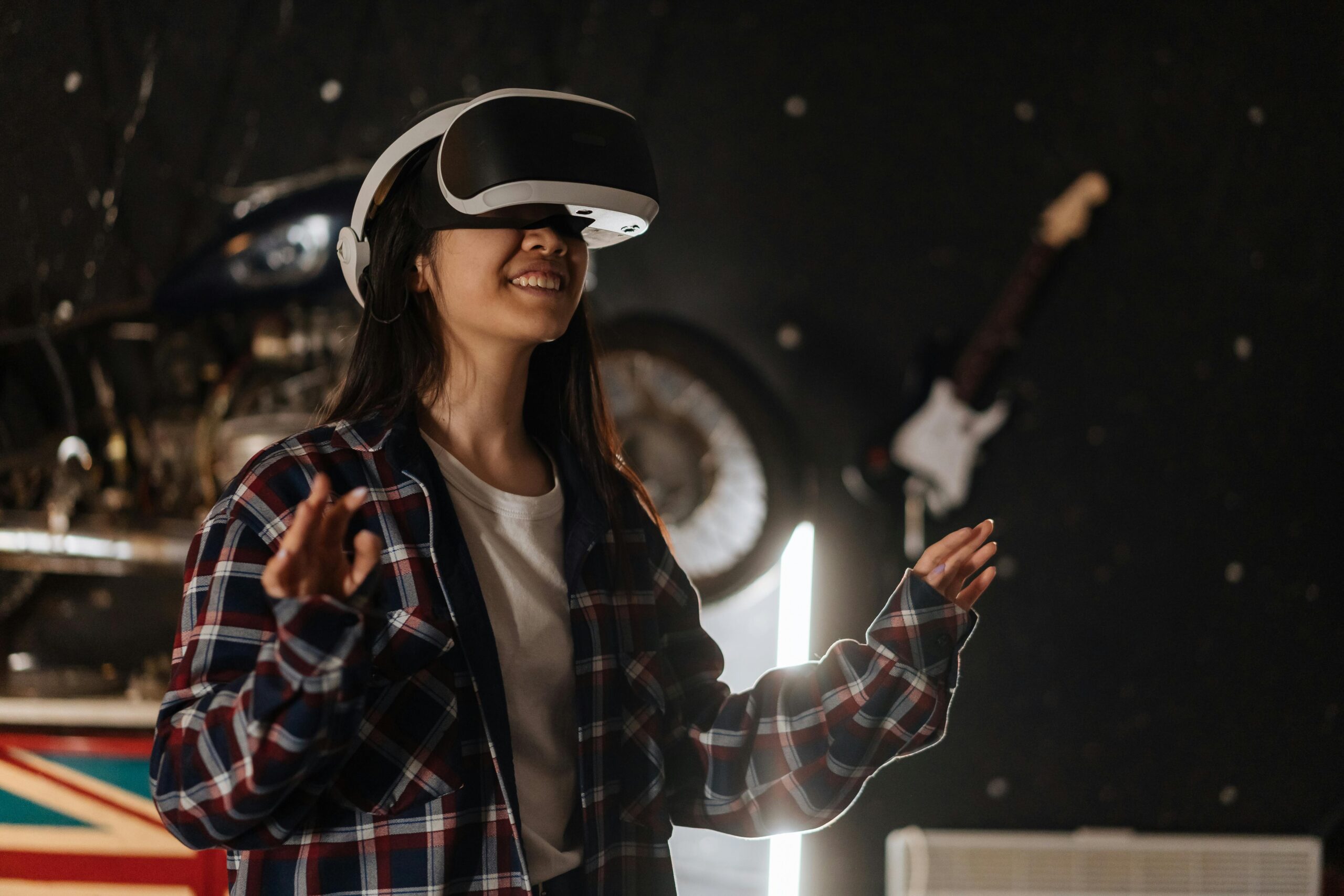
🚀 Moving Forward: Your Perceptual Evolution
Developing multidimensional perception represents a lifelong journey rather than a destination to reach. Each layer of awareness you develop reveals new depths still to explore. The process itself becomes the reward as you discover increasingly nuanced dimensions of experience previously hidden in plain sight.
Start where you are with whatever perceptual channels feel most accessible. If you’re naturally kinesthetic, begin by deepening body awareness. If emotions come easily, explore emotional differentiation. If you tend toward intellectual understanding, investigate the gaps between thoughts. Every entry point eventually leads to the full spectrum of multidimensional awareness.
Remember that this isn’t about becoming superhuman or acquiring special powers. It’s about reclaiming the full range of human perceptual capacity that modern life has trained us to ignore. The abilities already exist within you—they simply require attention, practice, and permission to emerge.
As you continue this exploration, you’ll likely find that reality becomes increasingly fascinating, complex, and beautiful. What once seemed mundane reveals hidden depths. Ordinary moments shimmer with meaning. The world you thought you knew transforms into something far more mysterious and alive than you imagined possible. This isn’t escaping reality—it’s finally arriving fully into it.