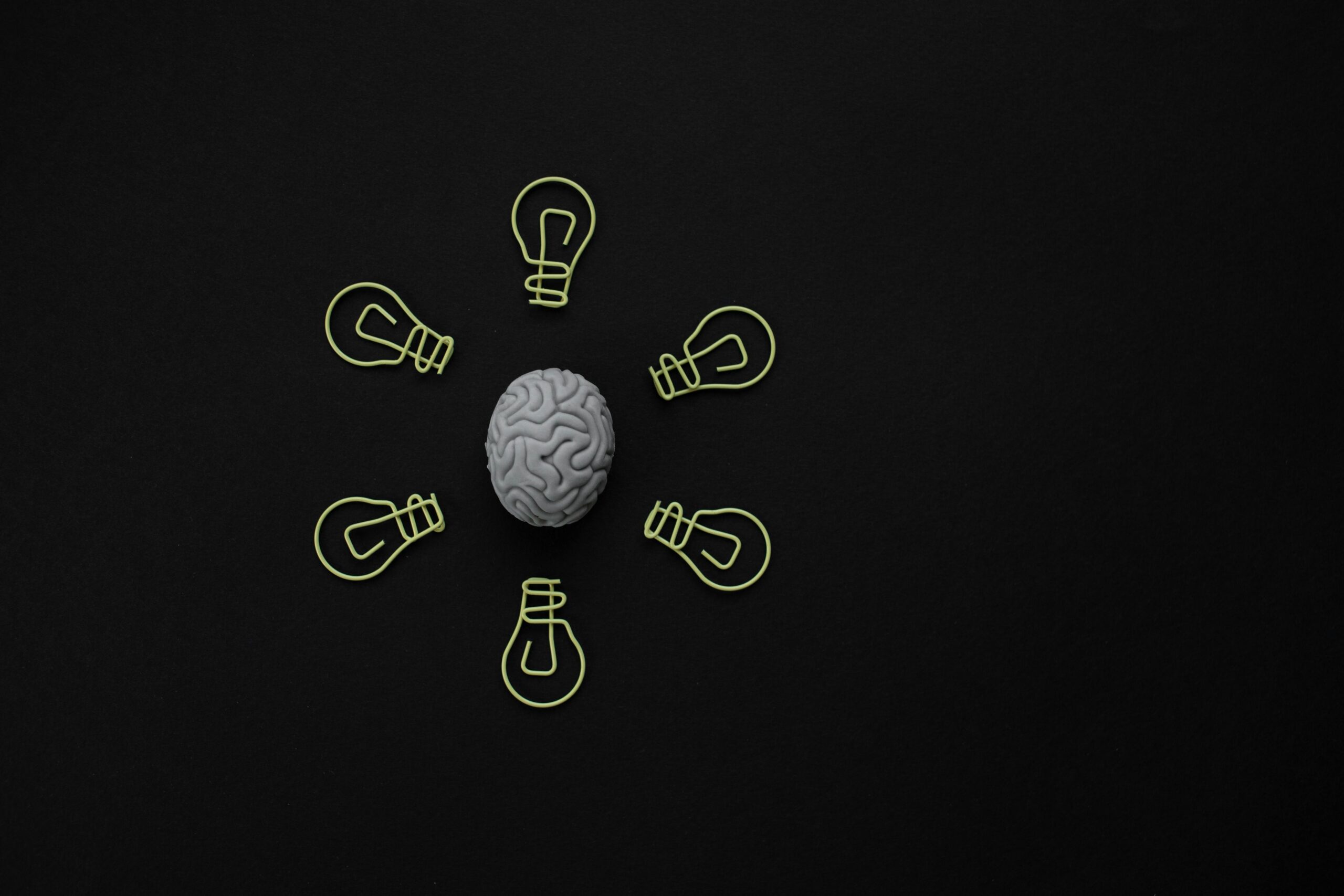
The human mind holds extraordinary capabilities waiting to be unleashed. By exploring cognitive entropy and creative exploration, we can tap into mental resources that transform how we think, create, and solve problems.

Our brains operate as complex systems constantly balancing order and chaos. This delicate equilibrium between structured thinking and spontaneous ideation forms the foundation of cognitive potential. Understanding this dynamic interplay opens doors to enhanced creativity, improved problem-solving abilities, and deeper self-awareness that can revolutionize personal and professional growth.
🧠 Understanding Cognitive Entropy: The Brain’s Creative Chaos
Cognitive entropy represents the measure of randomness and unpredictability in our thought processes. Unlike physical entropy, which describes disorder in thermodynamic systems, cognitive entropy reflects the brain’s capacity to generate novel connections, unexpected insights, and innovative solutions. This mental variability serves as the engine of creativity and adaptive thinking.
When cognitive entropy increases, our minds explore broader possibility spaces. We make unusual associations, question established patterns, and venture into uncharted mental territories. Conversely, lower entropy states correspond to focused, linear thinking—essential for executing tasks but potentially limiting for breakthrough innovations.
Research in neuroscience suggests that optimal cognitive performance requires cycling between high and low entropy states. The default mode network, active during rest and daydreaming, generates high-entropy thought patterns. Meanwhile, the executive control network engages during focused tasks, reducing entropy to channel mental energy efficiently.
The Neuroscience Behind Mental Flexibility
Brain imaging studies reveal fascinating patterns in creative individuals. Their neural networks demonstrate greater connectivity between seemingly unrelated regions, particularly between the prefrontal cortex and posterior association areas. This enhanced connectivity facilitates the cross-pollination of ideas from different cognitive domains.
Neurotransmitters play crucial roles in modulating cognitive entropy. Dopamine, often called the “molecule of more,” drives exploration and novelty-seeking behaviors. Serotonin promotes pattern recognition and consolidation. The balance between these chemical messengers influences whether our minds wander freely or focus intently.
🎨 Creative Exploration: Navigating Mental Landscapes
Creative exploration involves intentionally venturing into cognitive spaces that challenge conventional thinking. This process requires courage to embrace uncertainty, patience to sit with ambiguity, and curiosity to pursue unexpected paths. Unlike passive creativity that waits for inspiration, active exploration deliberately seeks out novel experiences and perspectives.
The creative process typically unfolds through several phases. Preparation involves gathering information and defining problems. Incubation allows unconscious processing as we step away from active problem-solving. Illumination brings sudden insights—those “aha!” moments. Finally, verification tests and refines ideas into workable solutions.
Building Your Creative Exploration Practice
Developing systematic approaches to creative exploration amplifies natural abilities. Start by establishing routines that alternate between structured and unstructured thinking time. Morning pages, where you write stream-of-consciousness thoughts immediately upon waking, tap into high-entropy mental states before the day’s demands impose order.
Cross-domain learning accelerates creative capacity. When we study subjects outside our expertise, we import mental models and frameworks that spark innovative connections. A programmer exploring poetry discovers narrative structures applicable to user interface design. A musician studying architecture gains insights into rhythmic spatial composition.
Physical movement significantly impacts cognitive entropy. Walking, especially in natural environments, reliably enhances creative thinking. The rhythmic motion, varied sensory input, and reduced external demands create ideal conditions for divergent thought. Many breakthrough ideas throughout history emerged during walks.
💡 Practical Strategies for Unlocking Mental Potential
Transforming theoretical understanding into tangible results requires deliberate practice and strategic interventions. The following approaches have demonstrated effectiveness across diverse populations and contexts, from artists and scientists to business leaders and educators.
Mindfulness and Meta-Awareness
Meditation practices cultivate meta-awareness—the ability to observe our thought processes without immediate judgment or reaction. This skill proves invaluable for managing cognitive entropy. By recognizing when our minds drift into unproductive loops or when fresh perspectives might benefit current challenges, we gain greater control over mental states.
Specific meditation techniques offer different benefits. Open monitoring meditation encourages high entropy by accepting whatever thoughts arise without attachment. Focused attention meditation reduces entropy, strengthening concentration muscles. Alternating between these approaches develops mental flexibility.
Environmental Design for Cognitive Enhancement
Our surroundings profoundly influence mental states. Cluttered, chaotic environments can overwhelm cognitive resources, while sterile spaces may under-stimulate. The sweet spot involves strategic variety—workspaces that offer both focused zones and inspiration-rich areas.
Consider implementing environmental rotation throughout your day. Begin mornings in simplified spaces conducive to deep work. Transition to visually stimulating environments for brainstorming sessions. End with moderate-stimulation areas for integration and planning. This spatial choreography optimizes cognitive entropy for different task demands.
The Power of Constraints in Creative Thinking
Paradoxically, constraints often enhance creativity rather than limiting it. When faced with unlimited options, decision paralysis can freeze creative processes. Thoughtfully chosen restrictions focus cognitive resources while still permitting inventive solutions.
Writers using specific forms—sonnets, haikus, flash fiction—often produce more original work than those facing blank pages without guidance. Musicians working within genre conventions frequently innovate more boldly than those attempting to reject all structures. Constraints provide scaffolding for creative exploration.
🔄 Balancing Order and Chaos in Daily Practice
Sustainable cognitive enhancement requires rhythms that honor both entropy and order. Neither extreme—complete chaos nor rigid structure—serves long-term performance and well-being. Instead, intentional oscillation between states creates resilience and adaptability.
Designing Your Cognitive Rhythm
Individual differences mean optimal patterns vary significantly. Some people naturally tend toward high entropy—abundant ideas but difficulty with follow-through. Others default to low entropy—excellent execution but limited innovation. Recognizing your baseline helps design compensatory practices.
For high-entropy individuals, implementing capture systems prevents idea loss while building execution skills. Tools like bullet journals, voice memos, or digital note-taking apps preserve insights during divergent thinking phases. Regular review sessions then provide structure for selecting and developing promising concepts.
Low-entropy individuals benefit from scheduled disruption. Calendar dedicated “exploration hours” protected from normal productivity demands. Use prompts that push beyond comfortable patterns: “What would I do if failure were impossible?” or “How would someone from a completely different field approach this?”
Collaborative Cognitive Diversity
Teams combining members with different entropy tendencies often outperform homogeneous groups. High-entropy thinkers generate possibilities while low-entropy colleagues evaluate feasibility and manage implementation. This cognitive diversity requires mutual respect and communication protocols that honor both contributions.
Effective collaboration acknowledges that brainstorming and evaluation require separation. Premature criticism during ideation stifles high-entropy thinking. Conversely, endless exploration without decision-making wastes resources. Establishing clear phase transitions—”Now we’re generating ideas” versus “Now we’re selecting the best option”—preserves space for both processes.
📊 Measuring and Tracking Cognitive Development
What gets measured gets managed. While cognitive entropy resists precise quantification, proxy metrics help track progress in unlocking mental potential. These measurements provide feedback for refining personal practices and celebrating growth.
Quantitative Indicators of Mental Flexibility
Track creative output over time, noting both quantity and variety. Are you generating more ideas? Are those ideas spanning broader categories? Divergent thinking tests, like listing unusual uses for common objects, provide baseline measurements and progress markers.
Problem-solving speed and approach variety also indicate cognitive flexibility. When facing challenges, do you quickly jump to familiar solutions, or do you consider multiple frameworks before proceeding? Journaling decision-making processes reveals patterns worth examining.
Qualitative Assessments of Growth
Numbers tell partial stories. Qualitative reflection captures nuances that metrics miss. Regular self-inquiry about mental experiences provides rich data: Do you notice increased comfort with ambiguity? Greater curiosity about unfamiliar topics? More frequent insights connecting disparate ideas?
Peer feedback offers external perspectives on cognitive shifts. Ask trusted colleagues or friends whether they’ve observed changes in your thinking style, creativity, or problem-solving approaches. Often, others notice transformations we’ve gradually adapted to and no longer consciously recognize.
🌟 Advanced Techniques for Mental Potential Expansion
Once foundational practices become established, advanced techniques can further enhance cognitive capabilities. These approaches require commitment and consistent application but offer profound returns on investment.
Deliberate Cognitive Cross-Training
Just as physical cross-training develops well-rounded athleticism, cognitive cross-training builds mental versatility. Systematically engage activities outside your expertise and comfort zone. Take improvisation classes if you’re highly structured. Study formal logic if you’re intuitively driven. Learn languages, musical instruments, or coding—each develops distinct neural pathways.
The key involves sustained engagement rather than superficial dabbling. Commit to learning phases long enough to experience genuine challenge and progression. Surface-level exposure provides entertainment but limited cognitive restructuring. Depth creates lasting change.
Metacognitive Journaling for Insight Amplification
Beyond simple experience recording, metacognitive journaling examines thinking processes themselves. After solving problems or generating ideas, reflect on the mental strategies employed. Which approaches proved most effective? When did you feel stuck? What shifted your perspective?
This practice develops sophisticated self-knowledge about personal cognitive patterns. Over time, you identify your mental sweet spots—conditions, times, and contexts where you think most effectively. Armed with this awareness, you can engineer circumstances that reliably access peak states.
Strategic Use of Cognitive Enhancers
Various tools and substances influence cognitive entropy, though each comes with considerations. Caffeine reduces entropy, sharpening focus but potentially limiting creative breadth. Moderate exercise increases entropy initially, then promotes consolidation during recovery. Even music selection affects mental states—complex, unfamiliar compositions increase entropy while familiar, simple rhythms support focused work.
Natural nootropics like omega-3 fatty acids, adequate sleep, and proper hydration provide foundational support for cognitive flexibility. Before exploring pharmacological interventions, optimize these basic factors. Many people seek external solutions while neglecting fundamental requirements for brain health.
🚀 Integrating Insights into Long-Term Growth
Unlocking mental potential represents a lifelong journey rather than a destination. The most successful practitioners approach cognitive development with patience, curiosity, and adaptability. They celebrate progress while maintaining healthy perspectives about continued growth opportunities.
Creating Personal Cognitive Evolution Plans
Effective development requires intentional planning balanced with flexibility. Set quarterly goals targeting specific cognitive capacities—perhaps enhanced divergent thinking one period, improved focus another. Select practices supporting those goals while remaining open to adjusting approaches based on results.
Document your journey through portfolios that capture creative outputs, problem-solving successes, and moments of insight. These artifacts provide tangible evidence of growth during inevitable plateaus. They also reveal evolving interests and capabilities, informing future development directions.
Building Communities of Practice
Cognitive growth accelerates within supportive communities sharing similar aspirations. Seek or create groups focused on creative development, innovative thinking, or personal mastery. Regular meetings where members share experiments, challenges, and breakthroughs generate accountability and inspiration.
Online platforms enable connection across geographical boundaries, though in-person interaction offers irreplaceable benefits. The ideal approach often combines both—local meetups for deep connection supplemented by broader digital networks for diverse perspectives and resources.

🎯 Embracing Your Unique Cognitive Fingerprint
Ultimately, unlocking mental potential means discovering and amplifying your distinctive cognitive signature. Generic advice provides starting points, but personalization determines effectiveness. Your brain’s particular strengths, preferences, and patterns deserve honoring rather than forcing into standard templates.
Some minds naturally gravitate toward verbal creativity while others excel in spatial or kinesthetic domains. Some people think best alone; others require social interaction for optimal ideation. Neither approach surpasses the other—they simply represent different expressions of human cognitive diversity.
The most profound mental unlocking occurs when you stop trying to think like someone else and instead refine your authentic cognitive style. Study effective techniques, experiment broadly, but ultimately trust your direct experience about what genuinely enhances your thinking. Your mind’s potential awaits discovery through patient, curious exploration of its unique landscape.
The journey into cognitive entropy and creative exploration transforms not just what we think but how we engage with reality itself. By embracing both order and chaos, structure and spontaneity, we develop mental flexibility that serves every life domain. This balanced approach to cognitive development offers sustainable enhancement that grows richer over time, continuously revealing new dimensions of possibility within the extraordinary instrument we carry inside our skulls.